Skilled Auto Repair Services in Reading PA
Discover Full-Service Auto Repair Solutions to Keep Your Vehicle Running Smoothly
Maintaining a vehicle's performance requires a forward-thinking approach to auto repair. Consistent maintenance is crucial to identify issues before they intensify. Understanding typical services, such as oil changes and brake inspections, can aid in this process. Furthermore, choosing a reputable repair shop can make a considerable difference. Examining these solutions can reveal how to keep a vehicle in optimal condition, but the specifics of effective maintenance strategies may surprise many owners.
Value of Routine Maintenance
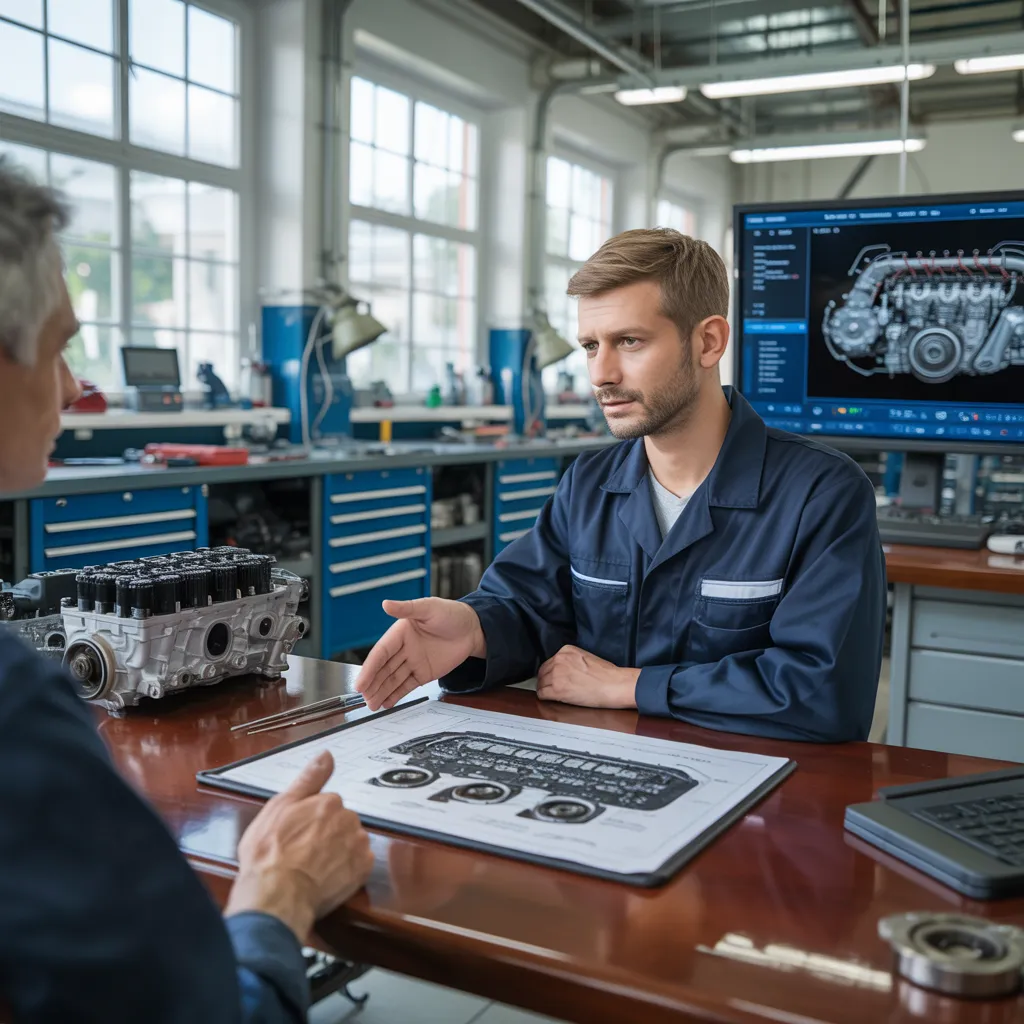
While countless vehicle proprietors may ignore scheduled upkeep, the critical nature of regular maintenance must not be underestimated. Regular maintenance serves as a proactive approach to vehicle ownership, considerably extending a car's lifespan and enhancing its performance. It aids in recognizing prospective concerns before they transform into high-cost restorations. Additionally, scheduled examinations can boost fuel economy, confirming that the car runs at its peak performance. Protection constitutes another essential factor; adequately maintained cars are less apt to suffer breakdowns or crashes stemming from mechanical issues. Furthermore, following a servicing timeline frequently maintains warranty validity, offering monetary security for proprietors. In the end, consistent upkeep is not simply a suggestion but an essential obligation that immediately impacts an automobile's dependability, security, and total worth.
Frequent Auto Repair Solutions
Common auto repair services comprise essential routine maintenance and critical brake system repairs. These services ensure vehicles perform safely and efficiently, addressing wear and tear that can build up over time. Understanding these offerings helps vehicle owners make informed decisions about their automotive needs.
Scheduled Maintenance Services
Standard maintenance procedures serve a vital function in preserving a vehicle's lifespan and operational capability. Such maintenance tasks usually involve oil changes, fluid assessments, tire rotations, and filter changes. Routine oil changes assist in preserving engine wellness, while inspecting fluid levels ensures that all components operate efficiently. Rotating tires encourages uniform wear patterns, lengthening tire lifespan and strengthening safety. In addition, changing air and cabin filters enhances air quality and engine performance. By following a regular maintenance timetable, vehicle proprietors can recognize potential concerns promptly, minimizing the probability of expensive repairs. Overall, these critical services copyright a vehicle's trustworthiness and productivity, delivering confidence to drivers and promoting a more pleasant driving experience.
Braking System Repairs
Brake repair services are vital for maintaining car safety and operational efficiency. This critical aspect of auto maintenance includes multiple parts, like brake pads, rotors, calipers, and brake fluid. Regular inspections can identify deterioration, which, if left unaddressed, may cause diminished stopping power and heightened safety hazards. Standard maintenance procedures encompass replacing deteriorated brake pads, resurfacing or replacing rotors, and flushing brake fluid to maintain hydraulic performance. Service professionals utilize testing instruments to examine the entire braking system, ensuring all elements work correctly. Regular brake system repairs do more than enhance safety but also improve total vehicle longevity, making them an essential component of comprehensive auto repair solutions. Vehicle owners should emphasize these services to maintain consistent functionality.
Comprehending Motor Diagnostics
Engine diagnostics play an essential role in uncovering defects within a vehicle's engine, ensuring ideal performance and longevity. Service professionals typically use diagnostic tools to gather and decode error codes created by the vehicle's onboard computer system. Comprehending these codes is essential to effective troubleshooting and carrying out correct repair methods.
Value of Engine Diagnostics
While many vehicle owners may overlook the significance of engine diagnostics, recognizing this fundamental feature of car repair can prevent costly repairs and improve vehicle performance. Engine diagnostics includes thoroughly analyzing a vehicle's engine systems to detect potential issues before they worsen. Regular diagnostic checks can identify problems such as ignition issues, poor fuel economy, and emission problems, which, if left ignored, may lead to significant damage and expensive repairs. In addition, regular diagnostics help copyright superior automotive performance, boosting fuel economy and lengthening the vehicle's lifespan. By emphasizing engine diagnostic services, vehicle owners can ensure their automobiles operate smoothly, minimize the chance of malfunctions, and ultimately preserve financial resources eventually. Committing to this maintenance is a proactive approach to vehicle upkeep.
Typical Assessment Equipment
Efficient engine diagnostics rely on a variety of common diagnostic tools that help mechanics in pinpointing and fixing vehicle issues. One essential tool is the OBD-II scanner, which connects to the vehicle's onboard diagnostics system, permitting technicians to retrieve trouble codes and monitor engine performance. Moreover, multimeters are vital for measuring electrical signals, aiding diagnose issues associated related information with sensors and wiring. Compression testers assess the engine's internal health by measuring cylinder pressure, while timing lights guarantee that spark timing is properly aligned. Vacuum gauges can expose manifold pressure issues, signaling potential leaks or blockages. Together, these tools deliver a thorough understanding of engine condition, facilitating effective repairs and maintenance for maximum vehicle performance.
Understanding System Codes
How are diagnostic codes interpreted by mechanics to determine vehicle malfunctions? Interpreting these codes requires a combination of technical proficiency and the use of specialized diagnostic tools. Mechanics use On-Board Diagnostics (OBD-II) systems to retrieve codes that indicate specific problems within the vehicle. Each code corresponds to a distinct issue, ranging from engine misfires to sensor failures. Experienced technicians evaluate these codes in conjunction with real-time data from the vehicle's performance metrics. This comprehensive approach allows them to locate the root cause of the problem rather than merely addressing symptoms. Furthermore, staying updated with manufacturer guidelines and service bulletins strengthens their ability to interpret diagnostic codes effectively, ensuring correct and efficient repairs that keep vehicles running smoothly.
Brake Safety and Services
Guaranteeing vehicle safety relies heavily on the efficiency of brake services. Appropriate brake maintenance is vital for avoiding accidents and ensuring seamless vehicle operation. Regular inspections can identify worn pads, damaged rotors, or fluid leaks that may undermine braking performance. Technicians stress the importance of addressing these issues quickly to avoid more severe damage and costly repairs in the future. Furthermore, understanding the signs of brake wear, such as grinding noises or reduced responsiveness, can aid drivers in seeking timely assistance. Routine brake service not only improves safety but also increases the lifespan of braking components. Finally, a well-maintained brake system is necessary for peak vehicle performance and driver confidence on the road.
Picking the Right Auto Repair Shop
Selecting the right auto repair shop can considerably impact the quality of vehicle maintenance and repairs. It is crucial for vehicle owners to assess several factors when making this selection. Initially, researching the shop's reputation through online reviews and recommendations from friends can provide valuable insights. Moreover, verifying certifications and qualifications of the mechanics confirms that the shop has the necessary expertise. A reliable auto repair shop should also offer transparent communication regarding services and repairs, allowing customers to make informed decisions. Additionally, a clean and organized and spotless facility often reflects the professionalism and commitment of the technicians. Finally, choosing a reputable auto repair shop can lead to lasting vehicle health and increased safety on the road.
Budget-Friendly Solutions for Vehicle Care
Even though vehicle maintenance can occasionally seem pricey, there are several affordable solutions that can help owners handle their expenses without compromising quality. Regular proactive maintenance, such as oil changes and tire rotations, can increase a vehicle's lifespan and reduce the likelihood of expensive repairs. Utilizing DIY techniques for minor repairs or routine checks can also preserve money, while keeping up with recalls and warranty services guarantees that owners take full advantage of manufacturer support. Additionally, shopping around for competitive auto repair rates and seeking out local mechanics can yield significant savings. By focusing on maintenance and adopting a proactive approach, vehicle owners can keep their cars in prime condition without exceeding their budget.
Your Questions Answered
How Often Do I Need to Change My Oil?
As a rule, it is advised to change oil every 3,000-5,000 miles, based on the vehicle and oil type. Regular maintenance guarantees maximum engine performance and longevity, avoiding potential issues and encouraging smoother operation.
What Are the Symptoms of a Failing Transmission?
Indicators of transmission troubles include gear slippage, strange sounds, fluid leaks, warning lights, shift delays, or a burning smell. Immediate action on these symptoms can avoid further damage and maintain vehicle dependability and safety.
Am I Able to Handle My Own Vehicle Maintenance?
People can conduct their own vehicle maintenance when they have the essential tools, knowledge, and skills. Nevertheless, they must ensure they adhere to safety protocols and manufacturer guidelines to prevent possible errors or safety risks.
What Should I Do if My Check Engine Light Turns On?
When the check engine light appears, you should first look for loose gas caps, then utilize an OBD-II scanner to identify the problem, and seek advice from a professional mechanic if necessary for comprehensive diagnosis.
What Effect Does Weather Have on Vehicle Performance?
Climate conditions substantially alter vehicle performance. To illustrate, intense temperatures can compromise battery performance, while rain or snow can decrease traction and extend stopping distances, requiring adjustments in vehicle operation and vehicle maintenance practices for safety.